East Africa · Highlands of Mount Kenya
Affordable healing & healthy food
Shule ya Mlima (Mount-Kenya School)
- AmaniKnows the sacred grove, healing herbs, springs and the rhythm of the seasons.
- ZuwenaKnows the healing spices (clove, cinnamon, ginger) and the trade of the coast.
- Wangari MaathaiTrees, biodiversity — "plant what feeds and heals you".
- AndrianampoinimerinaRice, irrigation, food security for a whole nation.
- Modjadji — the Rain Queen · guestHerbal knowledge — honoured as living wisdom, never "magic".

How do we make healing and good food cheap, natural and available to everyone — instead of expensive and imported?

Our clinic is hours away — and one visit can cost a whole day’s wage.

Yet half of what heals us grows right here — cheaper than the bus fare to town.
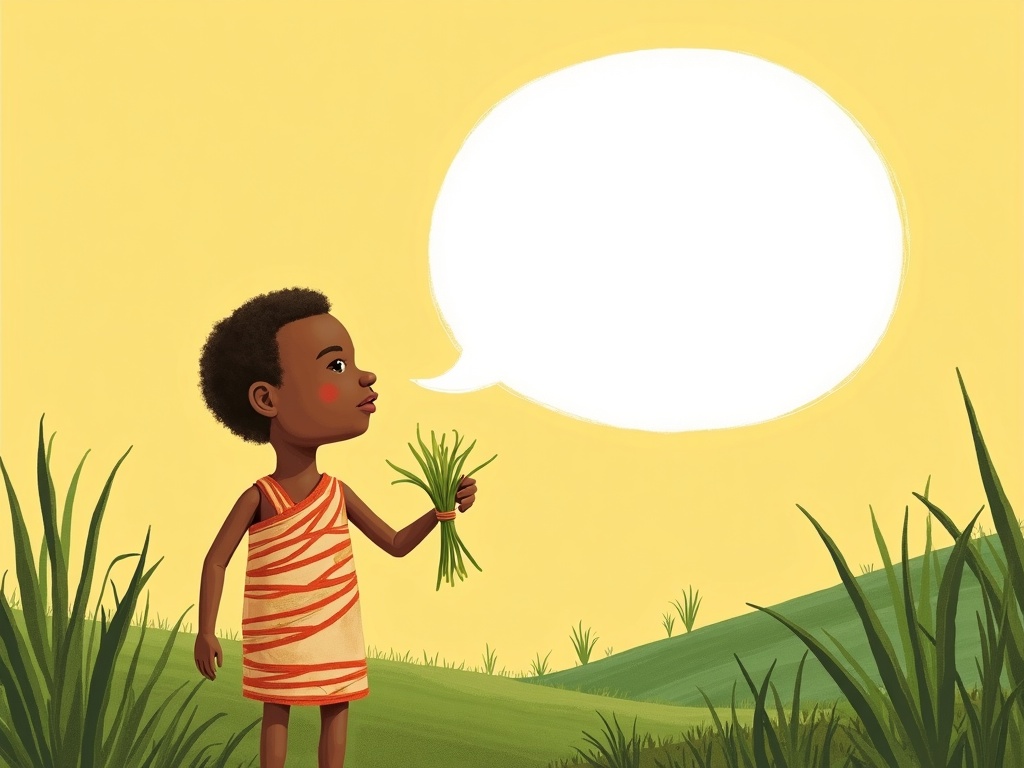
And the best medicine is food that doesn’t make you ill — health starts in the garden, not the pharmacy.

So let’s plant a school healing garden: moringa, aloe, ginger, lemongrass — and grow it ourselves.
Moringa leaves in the porridge twice a week — iron, vitamin A and protein, almost for free.
We’ll keep a Grandmothers’ Remedy Book: ten safe remedies — and a clear rule for when to go to the clinic.
Page 1/2
- A school healing garden (moringa, aloe, ginger, kitchen herbs) — one bed per class.
- A vetted grandmothers' remedy book: 10 documented, safe home remedies — with a clear 'when to go to the clinic'.
- Useful trees (moringa, neem, fruit) for shade, food and medicine.
- A diverse school plot for full, nourishing, local meals.
- Lay out the healing garden; one bed per class.
- Collect 10 safe, documented remedies + the clear clinic rule.
- Make a "nourishing plate" poster: what a healthy, local, cheap meal looks like.
- Pass seedlings to families (Wangari’s hummingbird: each does the little they can).