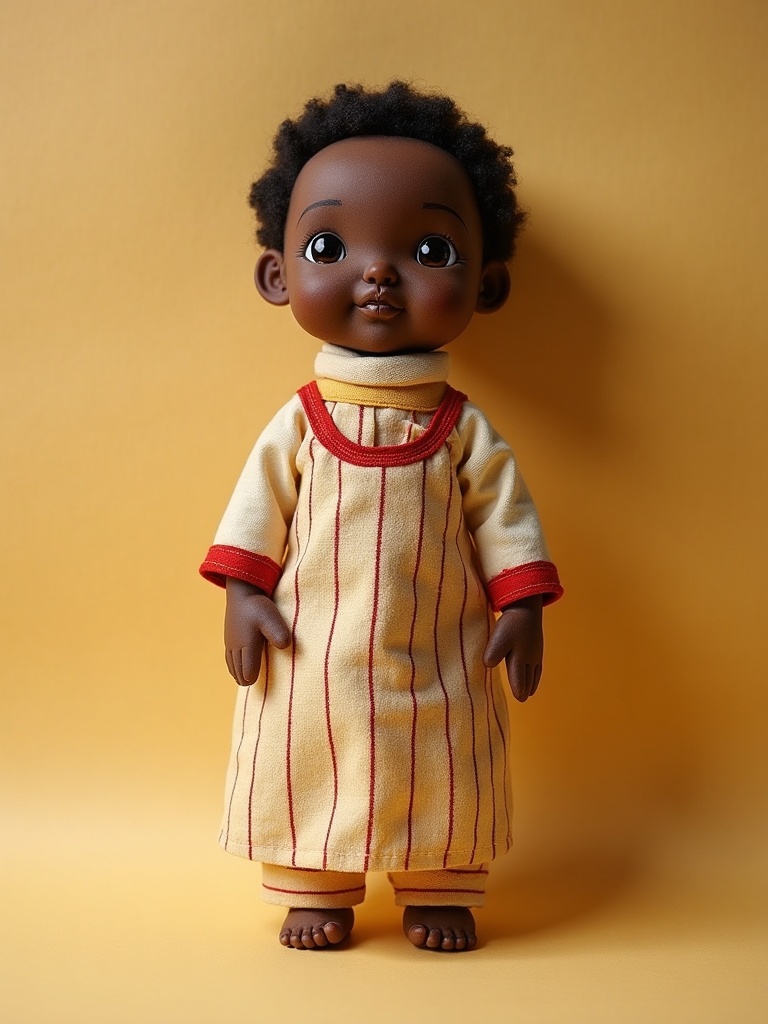
Unity & Law
Andrianampoinimerina
Andrianampoinimerina (≈1745–1810) — his name means “the king in the heart of Imerina” — became king of the highland Kingdom of Imerina (Madagascar) around 1787 , ending 77 years of civil war by reuniting its four feuding provinces. From…
- People
- Merina
- Country
- Madagascar
- Region
- East Africa
- Era
- ≈1745–1810 (reigned ≈1787–1810)
- Theme
- Unity & Law
Make your own
Design your Andrianampoinimerina
Pick a garment, a hairstyle and a scene, enter the PIN and generate a fresh image of Andrianampoinimerina with AI.
Each image is generated live with fal.ai.
Generated images
No images generated yet — be the first.
Tradition & Origin
Andrianampoinimerina (≈1745–1810) — his name means “the king in the heart of Imerina” — became king of the highland Kingdom of Imerina (Madagascar) around 1787, ending 77 years of civil war by reuniting its four feuding provinces. From his sacred fortified capital at Ambohimanga (today a UNESCO World Heritage Site) he began the unification of the whole island.
★ The sea is the boundary of my rice field
That famous saying captured his vision of one Madagascar. But he is loved above all as a lawgiver and builder: he reorganised land tenure, engineered vast rice-paddy irrigation and canal systems around Antananarivo that still work today, standardised markets and weights, and strengthened the fokonolona — the village assembly where communities governed their own affairs. He gave Madagascar order, law and food security.
Honesty: he unified through a mix of war, strategic marriage and administration — not by peace alone; slavery existed in his kingdom, and some later rulers (such as Ranavalona I) were harsh. We celebrate his law, irrigation and unity honestly. Much of his story comes from oral tradition (the Tantara ny Andriana), so he holds a near-mythic place. His son Radama I carried the unification further. Living Malagasy heritage — design with Malagasy voices.
Seventy-seven years of war ended in his hands. He answered with canals, laws and rice. “The sea is the boundary of my rice field.”
Values & Capabilities
Capabilities
◆◆◆◆◆ shows how central a gift is — five diamonds mark a signature strength, fewer mark a supporting one.
He ended generations of civil war and made one kingdom.
He gave his people clear laws, fair markets and order.
His irrigation canals still water the highlands today.
He strengthened the village assembly where people govern themselves.
“The sea is the boundary of my rice field” — one island, one people.
Development
1 of 3 stages unlocked
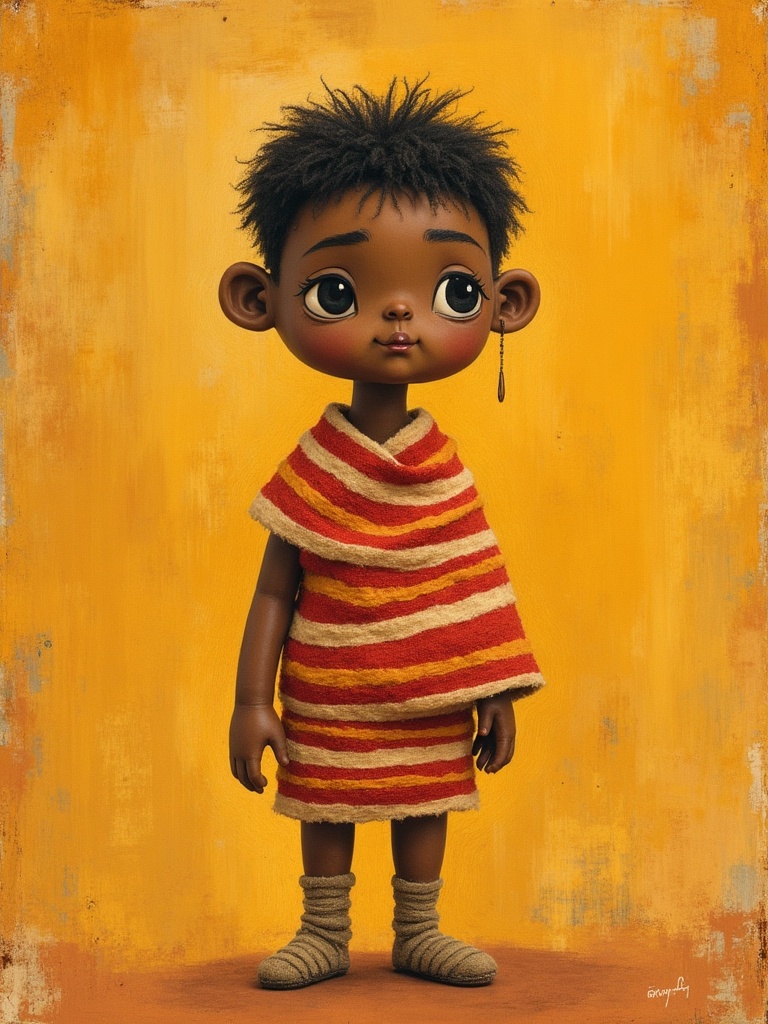
Young Andrianampoinimerina on the sacred hill.
Answer all three to unlock this stage.
Unlock the previous stage first.
Make & Learn
Garment: a woven lamba (cotton/silk, cream with coloured stripes). Signature attribute: a bundle of rice seedlings and a carved speaking staff. Education card: explains the unification of Madagascar, the still-working irrigation, the fokonolona assembly, and Madagascar’s unique Austronesian-African heritage. Sizes as standard. Proceeds → Malagasy highland craft & heritage (lamba weaving). The lamba and Ambohimanga are living Malagasy heritage — render with Malagasy cultural approval.
How it's made
Every doll is sewn by hand from natural materials — built to last a lifetime and to be repaired, not replaced. Here is the shopping list and the work steps. Sizes: Classic 32 cm (heirloom) · Kidogo 18–20 cm (toddlers, no small parts) · Shule 28 cm (school edition).
Shopping list
- Natural cotton or linen for the body (skin tone), ~0.5 m
- Wool or cotton stuffing — no plastic
- Cotton thread and embroidery floss in matching colours
- Garment fabric in this doll's colours (see the fabrics above)
- Yarn for the hairstyle
- Beads, cowrie shells and trims as shown
- Sharps and embroidery needles, pins, fabric scissors, fabric marker
Work instructions
- Trace and cut the body pattern at your chosen size (Classic 32 cm / Kidogo 18–20 cm / Shule 28 cm).
- Sew the body pieces right sides together, leave an opening, turn and stuff firmly with natural fibre, then close by hand.
- Embroider the face gently and with dignity — no plastic parts for the toddler line.
- Make the hair from yarn following the chosen hairstyle and attach it securely.
- Cut and sew the garment from this doll's fabric, then dress the doll.
- Add the beadwork, shells, trims and any attribute by hand.
- Check every seam and reinforce it — the doll should be lifelong and repairable, with no loose small parts for small children.
Origin & Ethics
How we know this
Near-mythic, via oral tradition (★★★★☆); unified through war + marriage + administration (not pure peace); slavery existed. Keep the focus on law, irrigation, unity and the fokonolona — and honour living Malagasy heritage.
Committee: Malagasy cultural & heritage bodies, the Ambohimanga/Rova custodians, historians, lamba-weaving communities. 5-step protocol.