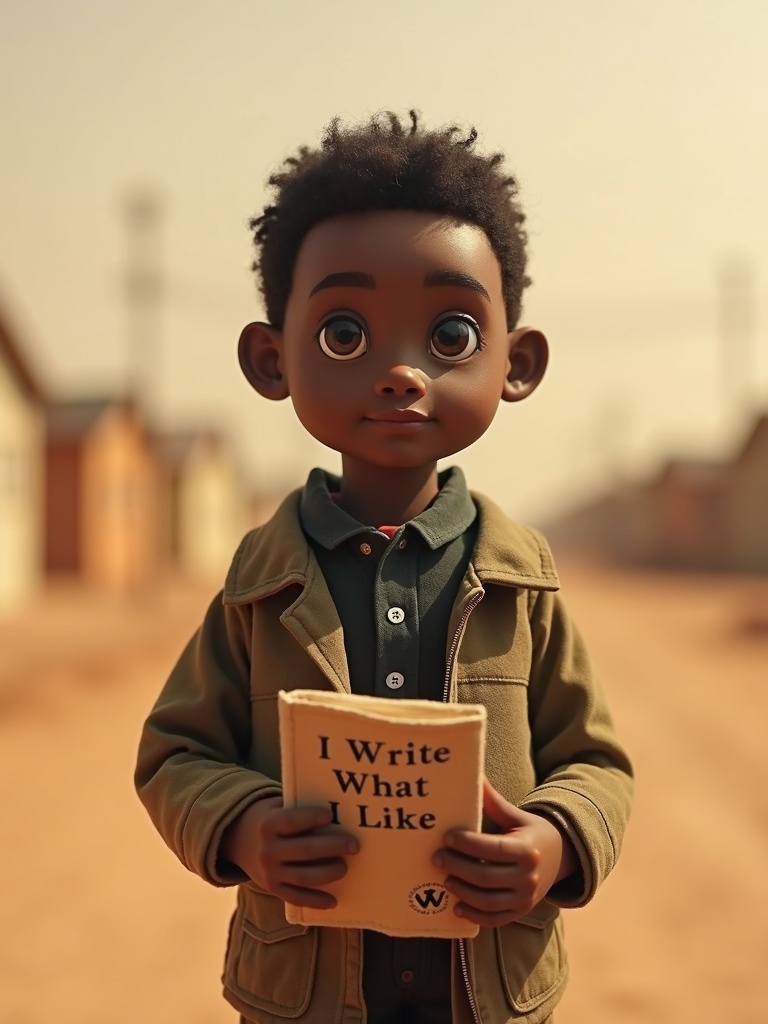
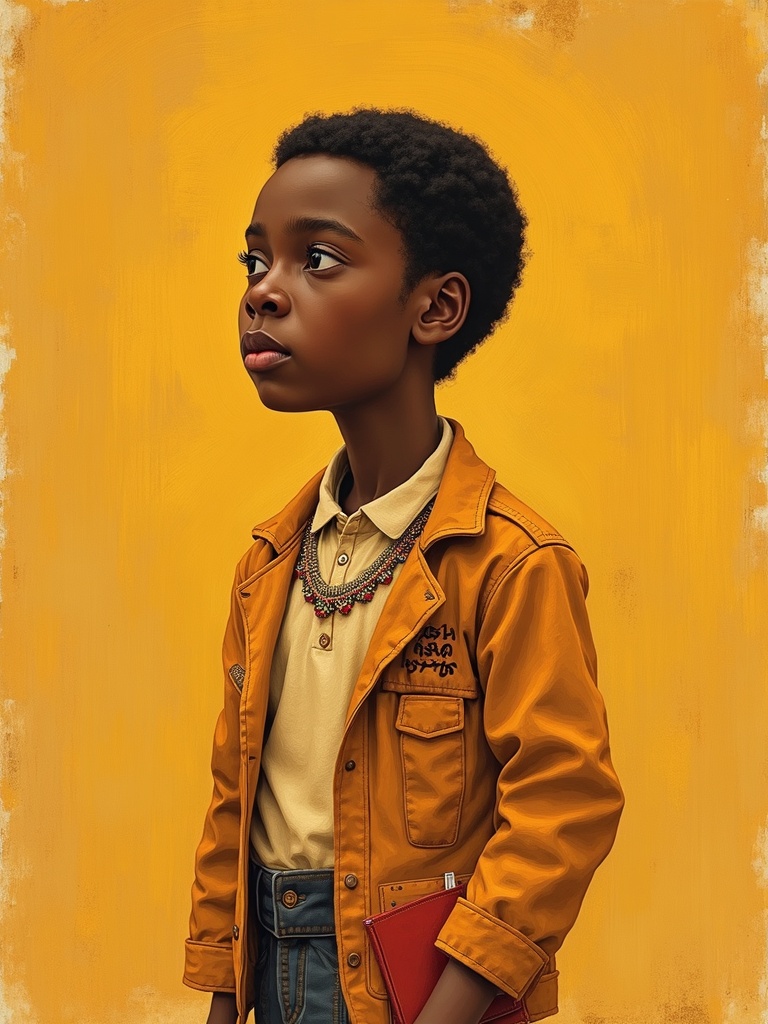
AI design preview — not a photo of the finished handmade doll
Black Consciousness
Steve Biko
Steve Biko was a young medical student who taught a whole nation that freedom begins in the mind — that the most potent weapon in the hands of the oppressor is the mind of the oppressed.
- People
- Xhosa, South Africa
- Country
- South Africa
- Region
- Southern Africa
- Era
- 1946–1977
- Theme
- Black Consciousness
⚖ A respectful concept
Steve Biko is a real, recent historical figure honoured here as a respectful homage, never an exact likeness. Any words placed in his mouth are documented public quotes with sources — chiefly from his writings collected in 'I Write What I Like' — and his story is told with full dignity. He died in police detention in 1977; this record honours how he lived and what he taught, and never depicts violence, injury or his death. A finished figure honouring him would be made only with the consent of his family and the Steve Biko Foundation, who keep his memory. This is a respectful draft for review, not a finished product.
Make your own
Design your Steve Biko
Pick a garment, a hairstyle and a scene, enter the PIN and generate a fresh image of Steve Biko with AI.
⚖ AI homage concept — not a likeness of the real person.
Each image is generated live with fal.ai.
Generated images
AI design preview — not a photo of the finished handmade doll
No images generated yet — be the first.
Tradition & Origin
Steve Biko was a young medical student who taught a whole nation that freedom begins in the mind — that the most potent weapon in the hands of the oppressor is the mind of the oppressed.
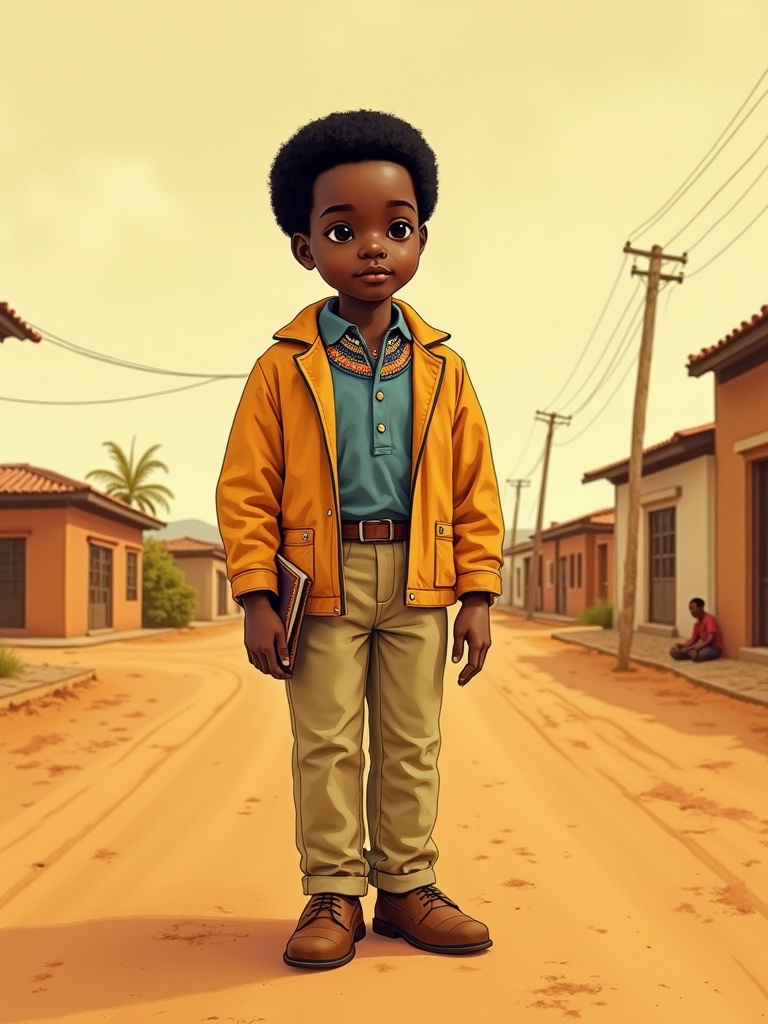
Bantu Stephen Biko was born on 18 December 1946 in the Eastern Cape of South Africa and grew up in Ginsberg township, a small Black community near King William's Town, in a Xhosa family. His father died when he was young, and his mother worked as a cook and domestic worker to raise her children. Even as a teenager Biko clashed with the apartheid system — the harsh set of laws that divided South Africans by the colour of their skin — and he carried that defiance with him when he went to Durban to study medicine.
At the University of Natal's medical school, Biko noticed that even the organisations fighting apartheid were led by white students. He believed Black South Africans needed an organisation and a confidence of their own, so in 1968–69 he helped found the South African Students' Organisation (SASO) and became its first president. From it grew the Black Consciousness Movement. Drawing on the thinker Frantz Fanon, Biko argued that true liberation had to begin inside — people first had to shake off the feeling of being inferior and stand up in their own pride and dignity. Writing under the pen-name Frank Talk, he set down these ideas in essays that were gathered after his death into the classic book I Write What I Like.
Biko's ideas frightened the government, and in 1973 it banned him — confining him to King William's Town and forbidding him to write or speak in public. Yet he refused to fall silent. He led the Black Community Programmes, helping build the Zanempilo community health clinic at Zinyoka in 1975 and the Zimele Trust Fund to support the families of political prisoners — turning his philosophy into clinics, classrooms and care. In 1977, while held in police detention, Steve Biko died. He was only 30. His death was a grave injustice that shocked the world and helped turn many countries against apartheid, and his teaching of pride and dignity still echoes today.
Timeline
- 1946Born on 18 December in the Eastern Cape; raised in Ginsberg township near King William's Town.
- 1966Begins studying medicine at the University of Natal Non-European medical school in Durban.
- 1969Founds the South African Students' Organisation (SASO) and becomes its first president.
- 1972Helps found the Black People's Convention and joins the Black Community Programmes.
- 1973Banned by the government and confined to King William's Town.
- 1975Helps establish the Zanempilo community clinic and the Zimele Trust Fund.
- 1977Dies on 12 September while held in police detention, aged 30; his ideas live on.
Did you know?
- Biko wrote many of his most famous essays under the pen-name ‘Frank Talk’ — a hint to the reader that he intended to speak plainly and honestly, no matter who was listening.DetailsEN
- Even while the government banned him to a single town and forbade him to speak in public, Biko helped build the Zanempilo clinic so his neighbours could get the health care apartheid denied them.DetailsEN
- Twenty years after his death, the policemen involved finally admitted their part in it before South Africa’s Truth and Reconciliation Commission — one of the moments that helped a divided country face its past.DetailsEN
He showed that the first act of freedom is to believe, deep inside, that you are already worthy.
Values & Capabilities
Capabilities
◆◆◆◆◆ shows how central a gift is — five diamonds mark a signature strength, fewer mark a supporting one.
He wrote down his ideas freely and fearlessly, even when a cruel government tried to silence every word.
He taught people to be proud of who they are first — because a free mind is where real freedom begins.
While still a young student, he started an organisation to give Black students their own voice.
Even when confined to one small town, he helped build a clinic so his neighbours could be cared for.
Standing before a court that wanted to trap him, he explained his ideas calmly, clearly and without fear.
Development
1 of 5 stages unlocked
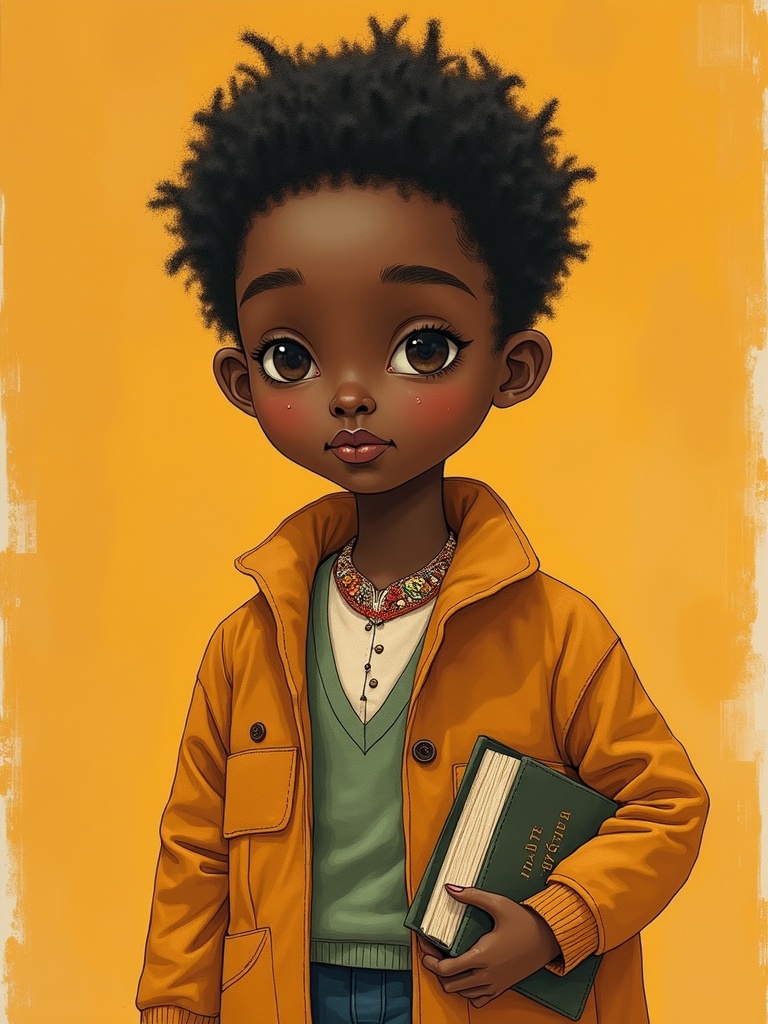
Born in the Eastern Cape and raised in Ginsberg township, he went to study medicine in Durban.
Answer all three to unlock this stage.
Unlock the previous stage first.
Unlock the previous stage first.
Unlock the previous stage first.
Crafting the doll
The doll's main look is the simple 1970s dress of a young student leader — a dark polo shirt and casual jacket — paired with markers of his Xhosa heritage of the Eastern Cape: a length of ochre-trimmed white umbhaco cotton, a long scarf worn cloak-style over one shoulder, and small bands of Xhosa beadwork in white, blue and black seed beads, each colour and pattern carrying meaning. The signature attribute is a tiny cloth book — his writings, I Write What I Like — with a pen and notebook. The education card explains that this is a respectful homage to a real person and a real movement, never an exact likeness, and that his death in detention is honoured only as a great injustice, never depicted. Sizes Classic 32 / Kidogo 18–20 / Shule 28. A share of proceeds supports literacy, civic education and South African heritage projects.
How this doll is made
A respectful homage to Steve Biko, the young Xhosa thinker and founder of the Black Consciousness Movement: his look blends the plain 1970s dress of a South African student leader — polo shirt and jacket — with markers of his Xhosa heritage of the Eastern Cape, the white-and-ochre umbhaco cloth and meaningful beadwork, all rendered in safe fabric.
- Garments 2
- Accessories 4
- Materials 2
- Techniques 2
Garments
- Student's polo and jacketA dark polo shirt under a plain casual jacket — the everyday 1970s dress of a young South African student leader, the world Biko came from at the University of Natal Medical School.DetailsEN
- Umbhaco wrap and scarfUmbhaco is the white cotton cloth trimmed with ochre and black braid worn by the Xhosa of the Eastern Cape; men wear a wraparound length and throw a long scarf over one shoulder as a cloak. Shown here to honour Biko's Xhosa heritage.DetailsEN
Accessories
- Xhosa beadwork collar and bandsBeaded collars and wrist-bands in white, blue and black seed beads; in Xhosa culture the colours, patterns and motifs of beadwork carry messages of age, status and belonging — a worn language nearly two hundred years old.DetailsEN
- Cloth book — 'I Write What I Like'A tiny fabric book standing for the collection of his essays, written under the pen-name 'Frank Talk' and published in 1978 — the signature attribute of a thinker and writer.DetailsEN
- Pen and notebookA small cloth notebook and pen, the simple tools with which the young writer set down the ideas of Black Consciousness for the SASO Newsletter.DetailsEN
- Cloth cloak (ingcawa style)A length of cloth worn cloak-fashion over one shoulder in the Xhosa manner, doubling as a wrap when the Eastern Cape evenings turn cold.DetailsEN
Materials
- Umbhaco cottonUmbhaco is a hard-wearing cotton cloth, traditionally white and dyed or trimmed with ochre, used for Xhosa ceremonial dress and made to last for years.DetailsEN
- Glass seed beadsSmall glass seed beads in white, blue and black, threaded into the geometric bands of Xhosa beadwork — the medium of a beadwork tradition that has been an art of meaning for almost two centuries.DetailsEN
Techniques
- Umbhaco braiding and ochre trimUmbhaco garments are finished with rows of black or coloured braid (ibhayi trim) and washed in ochre, the bands of trim sewn in lines along hems and shoulders — the detail that marks the cloth as ceremonial Xhosa dress.DetailsEN
- Xhosa beadwork stringingSeed beads are strung and woven into bands, collars and panels following set colour patterns; the arrangement of colours and motifs sends a message about the wearer — beadwork as communication, not only decoration.DetailsEN
How it's made
Every doll is sewn by hand from natural materials — built to last a lifetime and to be repaired, not replaced. Here is the shopping list and the work steps. Sizes: Classic 32 cm (heirloom) · Kidogo 18–20 cm (toddlers, no small parts) · Shule 28 cm (school edition).
Shopping list
- Natural cotton or linen for the body (skin tone), ~0.5 m
- Wool or cotton stuffing — no plastic
- Cotton thread and embroidery floss in matching colours
- Garment fabric in this doll's colours (see the fabrics above)
- Yarn for the hairstyle
- Beads, cowrie shells and trims as shown
- Sharps and embroidery needles, pins, fabric scissors, fabric marker
Work instructions
- Trace and cut the body pattern at your chosen size (Classic 32 cm / Kidogo 18–20 cm / Shule 28 cm).
- Sew the body pieces right sides together, leave an opening, turn and stuff firmly with natural fibre, then close by hand.
- Embroider the face gently and with dignity — no plastic parts for the toddler line.
- Make the hair from yarn following the chosen hairstyle and attach it securely.
- Cut and sew the garment from this doll's fabric, then dress the doll.
- Add the beadwork, shells, trims and any attribute by hand.
- Check every seam and reinforce it — the doll should be lifelong and repairable, with no loose small parts for small children.
Origin & Ethics
How we know this
This record is well documented. Biko's birth (18 December 1946), his founding and first presidency of SASO (1968–69), the launch of the Black Consciousness Movement, the Black People's Convention (1972), his banning (1973), the Black Community Programmes and Zanempilo clinic (1975), his 1976 trial testimony, his death in police detention on 12 September 1977, and the posthumous collection 'I Write What I Like' (1978) are all confirmed by reputable institutional, museum and Foundation sources. All quoted words are documented public statements from his writings. His death is presented honestly as a grave injustice — later acknowledged before the Truth and Reconciliation Commission — without any graphic detail.
Because Steve Biko is a real, recent historical figure, any finished figure honouring him would be produced only with the consent of his family and the Steve Biko Foundation, which keeps his memory, archives and the Steve Biko Heritage Centre at Ginsberg, King William's Town. The Xhosa cultural elements — the umbhaco cloth, the cloak and the beadwork — would be shown with guidance from Xhosa cultural advisors so that colours, patterns and markers of identity are represented respectfully and accurately. This record is a respectful draft for review, not a finished product.
Sources
- South African History Online, Stephen Bantu Biko
- Wikipedia, Steve Biko
- Encyclopaedia Britannica, Steve Biko — Biography & Facts
- Encyclopaedia Britannica, Black Consciousness Movement (BCM)
- Wikipedia, Zanempilo Community Health Care Centre
- Steve Biko Foundation — Google Arts & Culture, Steve Biko: The Black Consciousness Movement
- Africa at LSE, Steve Biko and the philosophy of Black Consciousness
- Tricontinental: Institute for Social Research, Black Community Programmes
- Umbhaco Xhosa Attire
- The Metropolitan Museum of Art, Umbhaco wrap skirt — Xhosa or Mfengu peoples
- Wild Coast Trading Company, Xhosa uMbhaco men's set with beaded vest