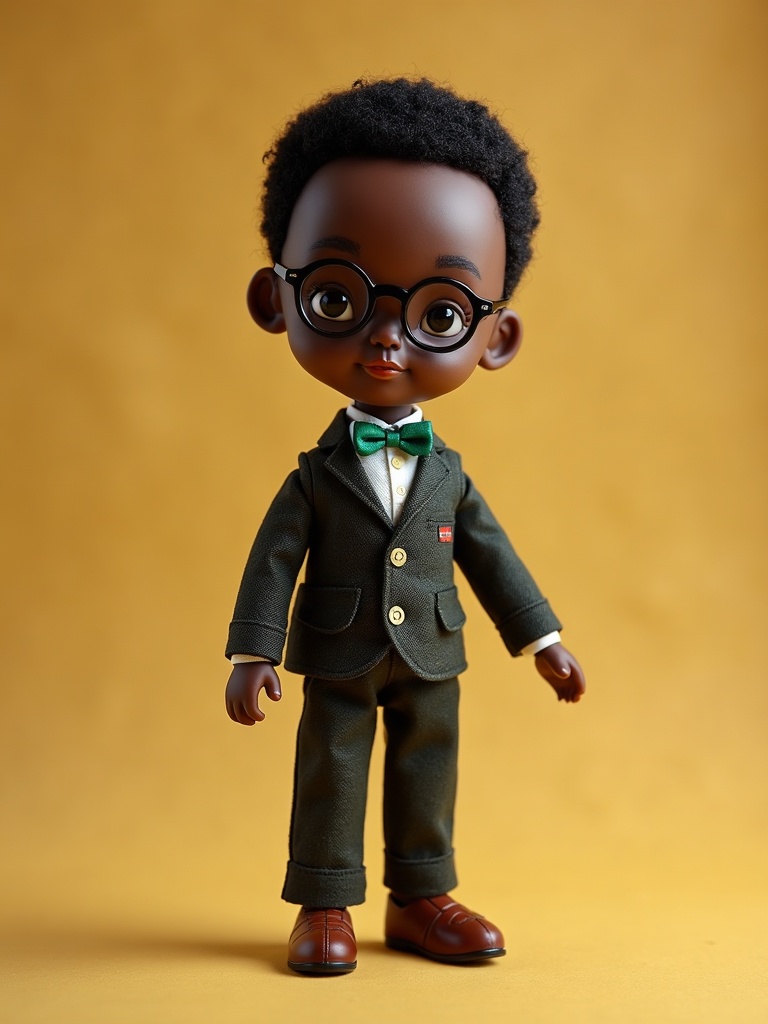
Independence & Dignity
Patrice Lumumba
Patrice Émery Lumumba was born on 2 July 1925 in the village of Onalua (Kasai), of the Tetela people, in the Belgian Congo. Largely self-educated, he worked as a postal clerk and a brewery salesman, wrote for journals, and spoke several…
- People
- Tetela
- Country
- DR Congo
- Region
- Central Africa
- Era
- 1925–1961
- Theme
- Independence & Dignity
⚖ A respectful concept
Real person (d. 1961). Any product requires the explicit consent of his family and Congolese authorities. Only documented quotes. A homage, not an exact likeness — and we show his dignity, never the violence of his death.
Make your own
Design your Patrice Lumumba
Pick a garment, a hairstyle and a scene, enter the PIN and generate a fresh image of Patrice Lumumba with AI.
⚖ AI homage concept — not a likeness of the real person.
Each image is generated live with fal.ai.
Generated images
No images generated yet — be the first.
Tradition & Origin
Patrice Émery Lumumba was born on 2 July 1925 in the village of Onalua (Kasai), of the Tetela people, in the Belgian Congo. Largely self-educated, he worked as a postal clerk and a brewery salesman, wrote for journals, and spoke several Congolese languages.
★ He told the truth on Independence Day
In 1958 he co-founded the Congolese National Movement (MNC) — the first party to demand independence outright, beyond ethnic divisions — and attended the All-African People’s Conference in Accra, where he met Nkrumah and the great Pan-Africanists. His party won the 1960 elections, and on 30 June 1960 the Congo became independent, with Lumumba as its first prime minister. At the independence ceremony, before the Belgian king, he gave a now-legendary speech naming the suffering of colonial rule — and the dignity of a free Congo.
Honesty: his government lasted barely ten weeks. A soldiers’ mutiny, the secession of mineral-rich Katanga, and Cold-War interference plunged the country into the Congo Crisis. Dismissed in September, arrested, and handed to his enemies, Lumumba was assassinated on 17 January 1961, aged 35 — with the documented complicity of Belgian and US actors. He has no grave. Today he is revered across Africa as a martyr of independence; in 2022 Belgium returned his last remaining relic to his family. (We honour his vision and dignity; the manner of his death is named honestly but never depicted.)
He was prime minister for ten weeks. He has been remembered for sixty years. Some voices outlive every empire that silences them.
Values & Capabilities
Capabilities
◆◆◆◆◆ shows how central a gift is — five diamonds mark a signature strength, fewer mark a supporting one.
On Independence Day he spoke the dignity of a free people aloud, even to a king.
He fought to hold a vast, diverse country together as one nation, beyond ethnic division.
At Accra he joined the dream of a free, united Africa.
He insisted the Congo’s vast wealth must serve the Congolese first.
Silenced at 35, remembered across a continent.
Development
1 of 3 stages unlocked
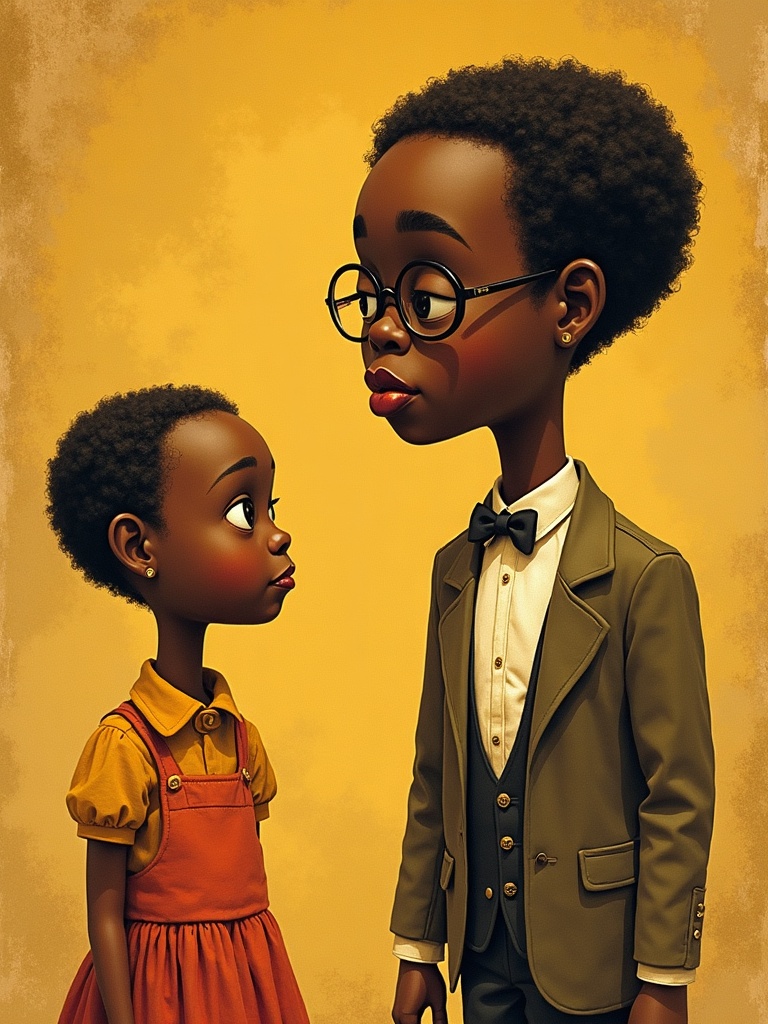
The curious, self-teaching young Patrice in Kasai, with a book.
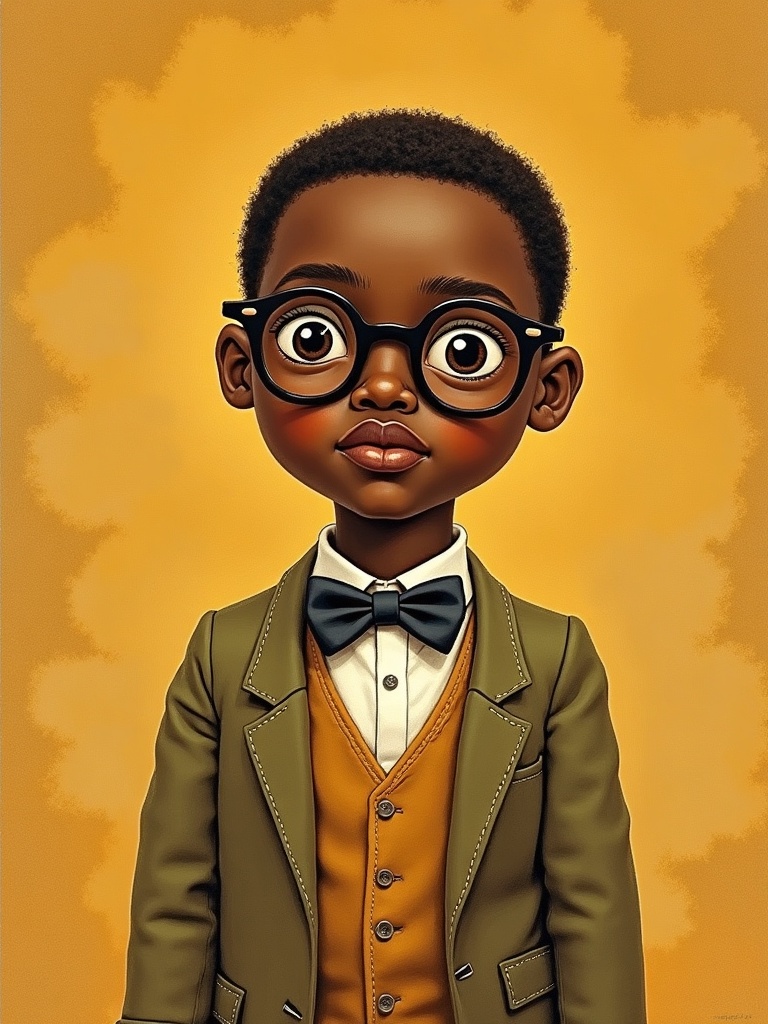
Answer all three to unlock this stage.
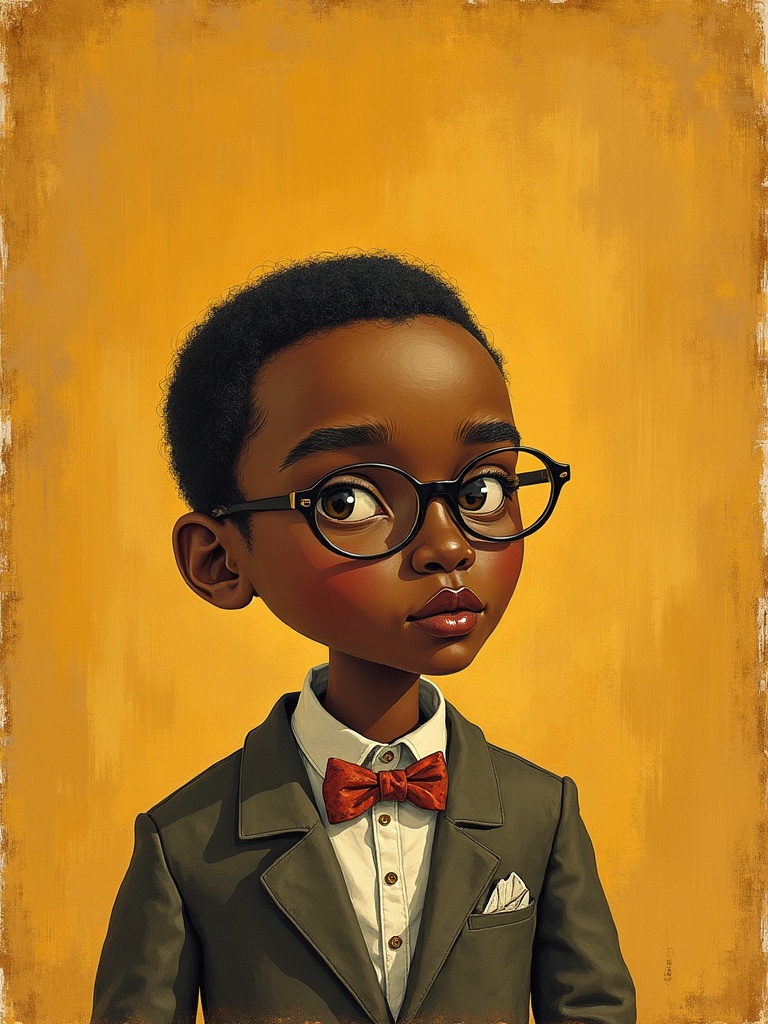
Unlock the previous stage first.
Make & Learn
Garment: a neat little suit with a bow tie (cotton/wool) and tiny round glasses (child-safe, firmly fixed); optional Pan-African pin. Signature attribute: a small Congo flag and a book. Education card: real documented quotes with sources (the Independence Day speech; lines from his last letter to his wife Pauline), a short honest biography, and an age-appropriate framing of the Congo Crisis — never the violence of his death. Sizes as standard. Proceeds → Congolese education/heritage initiatives.
How it's made
Every doll is sewn by hand from natural materials — built to last a lifetime and to be repaired, not replaced. Here is the shopping list and the work steps. Sizes: Classic 32 cm (heirloom) · Kidogo 18–20 cm (toddlers, no small parts) · Shule 28 cm (school edition).
Shopping list
- Natural cotton or linen for the body (skin tone), ~0.5 m
- Wool or cotton stuffing — no plastic
- Cotton thread and embroidery floss in matching colours
- Garment fabric in this doll's colours (see the fabrics above)
- Yarn for the hairstyle
- Beads, cowrie shells and trims as shown
- Sharps and embroidery needles, pins, fabric scissors, fabric marker
Work instructions
- Trace and cut the body pattern at your chosen size (Classic 32 cm / Kidogo 18–20 cm / Shule 28 cm).
- Sew the body pieces right sides together, leave an opening, turn and stuff firmly with natural fibre, then close by hand.
- Embroider the face gently and with dignity — no plastic parts for the toddler line.
- Make the hair from yarn following the chosen hairstyle and attach it securely.
- Cut and sew the garment from this doll's fabric, then dress the doll.
- Add the beadwork, shells, trims and any attribute by hand.
- Check every seam and reinforce it — the doll should be lifelong and repairable, with no loose small parts for small children.
Origin & Ethics
How we know this
Very well documented (his speeches, the historical record, the 2001 Belgian parliamentary inquiry); rights-sensitive recent person → documented quotes only, homage not likeness, dignity not suffering (never depict torture or death); his brief government and the Congo Crisis named honestly and age-appropriately.
Committee: the family of Patrice Lumumba (first voice), Congolese cultural & state institutions, Pan-African historians. 5-step protocol; without consent, no image, no name, no doll.